Apostles and Earrings
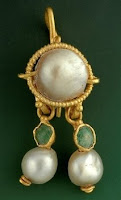
I wonder if this belonged to one of the apostles? Simon the Zealot strikes me as the kind of guy who would wear an earring. I recall the time, when I was graduating from seminary, I received an invitation to start a new congregation in a college town. In the letter, they outlined the vision, the demographics of the community, and their expectations for the pastor. The letter ended with a p.s. -- "and of course, your wife will not be permitted to wear earrings." They forgot say anything about ME wearing earrings. For a while, I was tempted to go ahead, take the position, and get my ear pierced.

I'd LOVE it if my students would take LOTS of moments of silence all through class.
ReplyDeleteSilence from jibber-jabber by students would be welcome for a teacher. Silence from students when the teacher wants participation during a discussion or question-answer period is not so welcome.
ReplyDeleteReading the article lets one know silence is being talked about in another frame of reference. But this can also have more than one side to the story. A moment of silence to reflect as the individual desires is one thing. To have a moment of silence when what the student is to do doing this time has been orchestrated by the teacher is another thing. I do not want my small child to be influenced or pushed in a way contrary to my beliefs.
I thought this was a country where we have a right to practice our religion in freedom without interference from the government. To me this is a great example of an imbalance of reason. No one is telling students what to do in a moment of silence, but if they choose to pray, which is a right we have under the consitution, they should be allow to do so.
ReplyDeleteWe do have the freedom to practice religion here which makes this country great but for the federal government to say that the church and state should be 100% separate is absurd. It doesn't seem to understand that the laws of man don't compare to the laws of nature and of Him. Also it is not the government's responsibility or role to determine what a child does during a moment of silence, if the child wants to utilize that moment to silently pray who is that child bothering while the rest of the class is doing their own thing during the moment. What if another kid takes the moment to think about a sport or their favorite athlete, or another ponders a life problem and so on, what makes them different from the child who is praying? It is unconstitutional to tell a kid or any person how they should act or think during a moment of silence.
ReplyDelete